
Co-op
Flip a House co-op guide: running a four-player crew on one house, splitting trash, vacuum and scrub duties, how payouts work and when a private server is worth it.
Introduction
Co-op in Flip a House is a scheduling decision more than a separate mode. The experience allows up to four players to work the same property at once, while the server itself holds up to 25 people spread across separate houses, so your crew is a small unit inside a much busier neighbourhood. You join through the Roblox friends list or by accepting a host invite, and from there nothing forces a plan on you. A natural split emerges anyway: one player hauls trash, one vacuums floors, one scrubs walls and one shops for furniture and places it. Nothing requires a partner, and solo flipping works perfectly well, but the bigger properties take noticeably longer when one person has to cover every surface alone. Private servers exist for crews who would rather not have strangers wander into the middle of a run.
Co-op Role & Session Reference
| Role | What they handle | Tool that matters | Where it bottlenecks |
|---|---|---|---|
| Trash runner | Clears loose junk before the floors and walls underneath can be worked on | None required, so it suits the newest crew member | A half-cleared property holds up the vacuum line |
| Floor vacuum | Runs the vacuum over every floor tile and rug in the property | Pro Vacuum upward through the vacuum tool line | Floors are the largest tracked surface on big houses |
| Wall scrubber | Scrubs walls and hard surfaces that only a scrubber tool can reach | Smile Scrubber upward through the scrubber tool line | Wall work is locked out entirely until a scrubber is owned |
| Furniture buyer | Spends the crew cash on furniture, then places and rotates each piece | Paintbrush and Sprint for faster shopping errands | Furnishing cash competes directly with tool upgrades |
| Private server host | Opens a crew-only session so strangers cannot join halfway through | None, it is a session setting rather than a tool | Suits regular crews more than one-off sessions |
Crew Roles
Trash Runner
First job on every property, and the one that unblocks the rest
Vacuum Lead
The player who owns the biggest surface count in the house
Wall Scrubber
The role that unlocks surfaces nobody else on the crew can touch
Furniture Buyer
The fourth seat that spends shared cash and lifts House Quality
Private Server
A crew-only session for teams that flip the same route repeatedly
Core Mechanics
Co-op changes what the cleaner level gates actually mean for you. Cleaning is counted per surface type, so trash, floors and walls each track separately, and a wall cannot be touched at all until somebody on the property owns a scrubber tool. That is exactly why the four-way split works: the trash runner clears loose junk so the vacuum has floor to work on, the vacuum player sweeps the largest surface count in the house, and the scrubber takes the surfaces nobody else can reach. The fourth player spends the shared cash on furniture and places it, which lifts House Quality alongside the cleaning. Up to four players can work one house, but the server holds up to 25 people across separate properties, so a crew is a small unit rather than the whole lobby. Hosts invite through Roblox, and private servers keep strangers out of a run you have already coordinated.
Advantages
With four players on one property, every role runs at the same time instead of one after another, and the order of operations stops being a waiting game. The wall scrubber is the clearest winner, because a player holding Smile Scrubber or better unlocks surfaces the trash runner and the vacuum player simply cannot clean, which turns a blocked task into progress. Roles also match the tool tiers cleanly: one crew member can bank toward the vacuum line at Cleaner Level 3, 6, 9, 13, 17 and 22 while another spends on the scrubber line, so a crew reaches the Pro Vacuum and Smile Scrubber breakpoints earlier than a solo player dividing the same cash. The furniture buyer covers the part of House Quality that cleaning alone never reaches. Large properties benefit most, and a Mansion run that feels endless alone becomes a manageable circuit with four people on it.
Challenges
The awkward part of co-op is that the numbers are not published. Community reports suggest co-op players share the sale outcome rather than running separate wallets, so the payoff question is genuinely open, and you should agree who banks the buyer offer before the run starts rather than after it lands. That one unresolved detail is why some crews treat co-op as a social mode instead of a money mode. Coordination has its own cost: four players chasing separate surfaces can leave a property stuck at partial completion if nobody checks what is left, and the surface counters never tell you who should stop doing what. Solo flipping stays perfectly viable, and the advantage shrinks on smaller properties where there is less surface to divide between four people. Private servers also add a layer of setup before anyone cleans anything.
Frequently Asked Questions
How many players can work on the same house in Flip a House?+
How do you join a friend's session?+
Is co-op cash shared between players?+
Quick Tips
Agree the four roles before you load in rather than after. One player on trash, one on the vacuum, one on the scrubbers and one on furniture keeps every tool in the crew busy at once, and it stops the common stall where three people crowd the same floor while the walls sit untouched because nobody owns a scrubber yet.
Split the two tool trees between players instead of buying the same thing twice. One crew member banking toward the vacuum line and another toward the scrubber line reaches the level 3, 6 and 9 breakpoints far sooner than a solo player dividing the same cash, and the walls open up at the same time the floors get faster.
Write down who banks the buyer offer before the first property. Community reports suggest co-op players share the sale outcome instead of holding separate wallets, but that is not officially confirmed, so a crew that picks the payout owner up front avoids the argument that otherwise arrives the moment the sale completes. Use a private server if the same people run the same route every session.
Featured
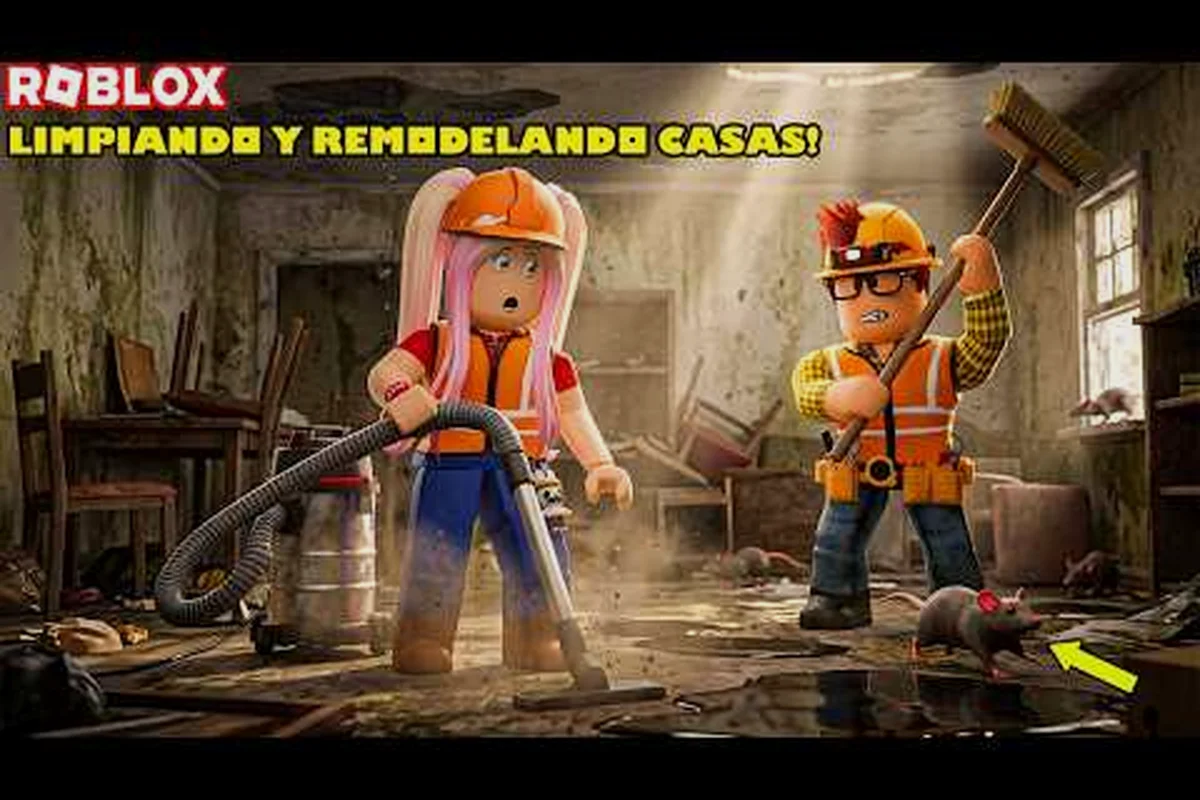
Flip a House How to Play With Friends: Invite and Join
Learn how to play with friends in Flip a House through invites and private servers, and see how team play changes cleaning and cash splits.
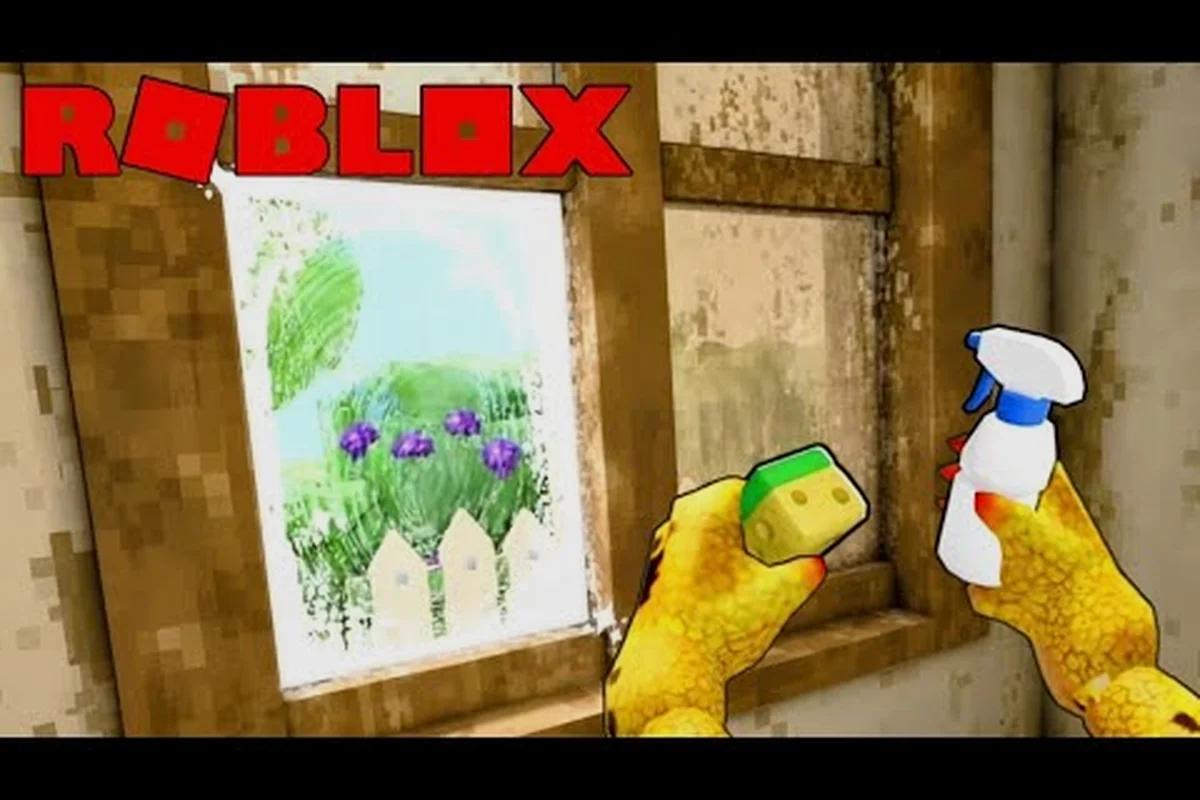
Flip a House Public Server: Solo, Co-op, and Money Split
Understand flip a house public server rules for solo and co-op play, how many players can join, and whether co-op shares the cash you earn.
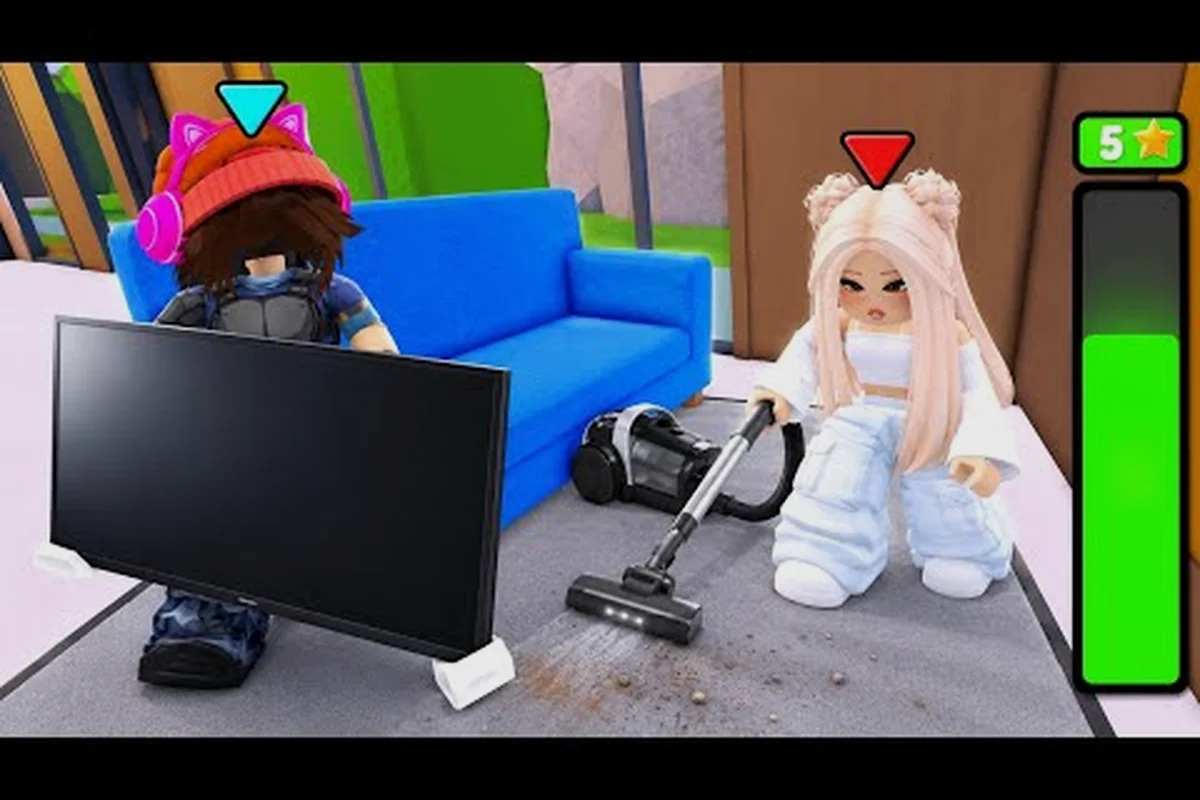
Flip a House Squads: Solo vs Co-op and Teamwork
Compare flip a house squads against solo play to see how teamwork and roles change renovation speed, plus how to handle griefers in a four-player flip.
All Articles

Flip a House 4 Player Co-op: Roles, Money, and Speedrun
Master flip a house 4 player co-op with clear roles, duos strategies, and speedrun tips that maximize co-op money while splitting cleaning zones across a full team.
Flip a House How to Add Friends: Cross-Platform and Chat
Discover how to add friends in Flip a House across mobile, PC, and console, plus how voice chat works before you start cleaning together.

Flip a House Join the Group: Rewards and Troll Defense
Learn the flip a house join the group benefits including the milestone cash bonus, plus how to avoid trolls in public lobbies.