
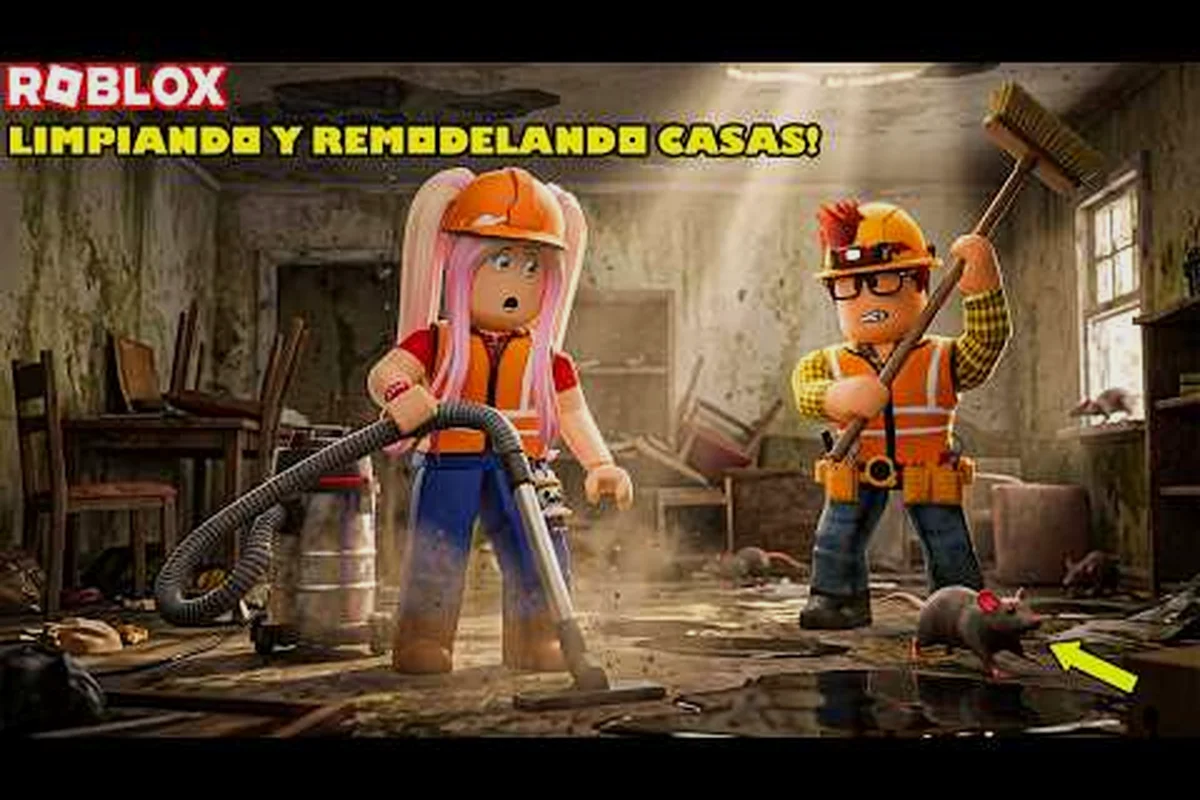
Robux spending in Flip a House can feel like a gamble when you are staring at a wall of gamepasses with no clear return on investment. The right purchase can cut hours off your renovation grind, while the wrong one quietly drains your balance without moving your profit margin. This guide breaks down every gamepass tier so you can decide how to spend Robux in Flip a House with confidence, not guesswork.
The studio describes itself as a full-stack Roblox developer that acquires, develops and grows games with dedicated in-house teams, and its site is the non-Roblox home of the team behind Flip a House.
Which Passes Change Your Income
Before you commit any Robux, you need to understand what each gamepass category changes about the core loop. Flip a House is built around a cycle of buying dirty properties, cleaning them with vacuums and scrubbers, furnishing rooms, and selling to buyers whose offers depend on house quality. Gamepasses in this game do not unlock new houses or story content—they modify the speed, luck, or payout of that existing loop. That distinction matters because it means every purchase is an efficiency multiplier, not a content gate.
The gamepass roster splits into three functional buckets. Speed boosts reduce the time you spend on movement or cleaning, which matters most when you are grinding multiple flips per session. Luck boosts increase the probability of favorable buyer offers or better item drops, which compounds over dozens of sales. Convenience boosts remove friction like sprint cooldowns or unlock early access to tools you would otherwise earn through leveling. Understanding which bucket you actually need is the first step in deciding how to spend Robux in Flip a House wisely.
According to community data gathered from player reports and video walkthroughs, the developer Increates has kept the gamepass lineup relatively stable since launch, with no limited-time gamepasses currently active. That stability is good news for planning, because you can evaluate each option without worrying that a better deal will appear next week. The full list of gamepasses and their effects is documented in the Flip a House gamepass list, which covers every Robux item currently available in the shop.
| Gamepass Category | What It Changes | Best For | Typical Price Range |
|---|---|---|---|
| Sprint / Movement | Run speed and stamina | Multi-flip grinders | Low to mid |
| Buyer Luck | Offer quality probability | Profit-focused players | Mid |
| Cleaning Boost | Vacuum and scrubber efficiency | Early-game players | Low |
| Early Unlock | Tool access before level gate | Impatient renovators | Mid to high |
Flip a House Cheapest Gamepass: Entry-Level Value
The cheapest gamepass in Flip a House is the entry point most players consider first, because the price is low enough to feel like a no-risk experiment. Based on the in-game shop layout and community pricing reports, the lowest-cost options typically fall into the Sprint or basic Cleaning Boost categories. These gamepasses usually cost between 50 and 150 Robux, which is roughly the price of a small cosmetic item in most Roblox experiences. The key question is whether that low price translates into meaningful time savings or just a marginal quality-of-life improvement.
A cheap sprint gamepass can actually deliver outsized value in Flip a House because movement speed affects every single action you take. When you are walking between the front door, the cleaning spots, the furniture placement zones, and the buyer interaction point, even a 15% speed increase shaves seconds off each cycle. Over a session where you flip five or six houses, those seconds compound into minutes saved. For players who treat Flip a House as a casual side game, the cheapest gamepass is often the only purchase they need to make.
That said, the cheapest gamepass is not automatically the best value. A low-cost cleaning boost that only applies to one vacuum tier becomes obsolete once you level up and unlock better equipment. The upgrade shop explained guide covers how tool progression works, which helps you judge whether a cheap early boost will still matter at level 10 or 15. If you plan to play long-term, a mid-tier gamepass with scaling benefits may outperform the cheapest option over time.
| Price Tier | Typical Gamepasses | Value Assessment |
|---|---|---|
| Cheapest (50-150 Robux) | Sprint, basic cleaning boost | Good for casual players, limited scaling |
| Mid (200-400 Robux) | Buyer luck, turbo detergent | Strong for regular grinders |
| Most Expensive (500+ Robux) | Premium bundles, max boosts | Best for dedicated flippers |
Flip a House Most Expensive Gamepass: Premium Power
At the top of the shop sits the most expensive gamepass in Flip a House, which typically bundles multiple high-impact boosts into a single premium purchase. Community reports place these premium options in the 500 to 1,000 Robux range, depending on whether they are sold as standalone gamepasses or as part of a developer product bundle. The most expensive gamepass usually combines 2x buyer luck with a movement or cleaning multiplier, creating a compound effect that accelerates every stage of the flip cycle simultaneously.
The value of the most expensive gamepass depends heavily on your play frequency. A player who flips one house per week will take months to recoup a 1,000 Robux investment in time savings alone. A player who grinds ten flips per day, however, will see the premium boosts pay for themselves within a week of active play. The math is straightforward: premium gamepasses are efficiency multipliers, and multipliers only matter when there is enough base activity to multiply. If you are still in the early game, the most expensive gamepass is likely overkill.
There is also a psychological component to premium purchases that deserves honest consideration. The most expensive gamepass in Flip a House can create a sunk-cost feeling that pushes you to play more than you actually enjoy, just to justify the spending. Before buying, ask yourself whether you are purchasing the boost because it fits your playstyle or because the price tag makes it feel important. The pay to win analysis explores this dynamic in depth, including whether Flip a House actually rewards premium spending or just makes the grind slightly faster.
Flip a House Gamepass Tier List: Ranking Every Buy
A tier list is the clearest way to compare gamepasses side by side, because it forces you to rank each option against the others rather than evaluating them in isolation. The Flip a House gamepass tier list below is based on three criteria: impact per Robux, scaling with player level, and relevance to the core profit loop. Gamepasses that score high on all three criteria earn S-tier status, while those that only help in narrow situations fall to B-tier or lower.
The S-tier belongs to gamepasses that directly increase your profit per flip. 2x buyer luck is the strongest candidate here, because buyer offers are the single biggest variable in your final sale price. A lucky roll on a high-quality house can add thousands of in-game dollars to your payout, and doubling the probability of that roll compounds across every sale. Movement speed boosts also earn high marks because they apply universally, regardless of which house you are flipping or which tools you have unlocked.
A-tier gamepasses are strong but situational. Turbo detergent or equivalent cleaning boosts accelerate the cleaning phase, which is valuable early on but less impactful once you unlock high-tier vacuums that already clean quickly. Early unlock gamepasses also sit in A-tier for players who hate level gating, but they lose value for patient players who would unlock the same tools naturally within a few hours of play.
| Tier | Gamepass Type | Why It Ranks Here |
|---|---|---|
| S | 2x buyer luck | Directly increases profit per flip, scales forever |
| S | Sprint / movement boost | Universal time savings on every action |
| A | Turbo detergent / cleaning boost | Strong early, less impactful at high levels |
| A | Early unlock | Great for impatient players, no long-term edge |
| B | Cosmetic or minor convenience | Low impact on profit or speed |
The B-tier is where you find gamepasses that feel nice but do not move the needle on your bottom line. These might include minor stamina boosts, cosmetic effects, or convenience features that remove small annoyances without changing your flip speed or sale price. There is nothing wrong with buying a B-tier gamepass if you enjoy the quality-of-life improvement, but you should go in knowing that it is a comfort purchase, not an investment. The full gamepass prices breakdown lists every current option with its exact Robux cost so you can build your own tier list based on your budget.
Flip a House Should You Buy Gamepasses: A Decision Framework
The question of whether you should buy gamepasses in Flip a House has no universal answer, because the right choice depends on your play frequency, your budget, and your tolerance for grinding. What helps is a decision framework that forces you to be honest about each variable before you spend. Start by tracking how many flips you complete in a typical week. If the answer is fewer than three, most gamepasses will not pay for themselves in any reasonable timeframe, and you are better off saving your Robux.
If you flip houses regularly—say five or more per session, several sessions per week—then the math changes. At that play frequency, a movement speed boost or buyer luck gamepass will save you measurable time and increase your average sale price across dozens of flips. The compounding effect is real: a 10% profit increase on 50 flips per month is far more valuable than the same percentage on five flips. This is where the decision to buy gamepasses in Flip a House starts to make financial sense.
Your tolerance for grinding is the second variable. Some players genuinely enjoy the slow progression of unlocking tools and watching their profit margin grow through effort alone. For those players, gamepasses can actually reduce enjoyment by removing the sense of accomplishment. Other players find the early grind tedious and would rather spend a few dollars to reach the fun part faster. Neither preference is wrong, but you should know which camp you fall into before opening the Robux shop.
| Player Profile | Recommended Gamepass Strategy | Expected Outcome |
|---|---|---|
| Casual (1-3 flips/week) | Skip gamepasses or buy cheapest sprint | Minimal time savings, low risk |
| Regular (5-10 flips/session) | Buy sprint + buyer luck | Noticeable profit and speed gains |
| Hardcore (daily grinding) | Buy premium bundle | Maximum efficiency, fastest progression |
| Progression purist | No gamepasses | Full grind experience, zero Robux spent |
A third factor is whether you plan to stick with Flip a House long-term. Gamepasses are permanent unlocks, so their value grows with every additional hour you play. If you are trying the game out and not sure whether it will hold your attention, hold off on spending. If you have already logged 20 hours and see yourself logging 50 more, a mid-tier gamepass becomes a reasonable purchase. The buy cash guide covers developer products and cash packs, which are a separate spending category from gamepasses and worth understanding before you commit any Robux.
How to Spend Robux in Flip a House: A Step-by-Step Plan
Putting everything together, the smartest way to spend Robux in Flip a House follows a sequence that minimizes regret and maximizes return. The first step is to play the game completely free for at least five to ten hours. This gives you a baseline understanding of the core loop, lets you experience the natural progression pace, and reveals which parts of the grind actually bother you. You cannot know which gamepass solves your specific friction until you have felt that friction firsthand.
The second step is to identify your single biggest bottleneck. For most players, this is either movement speed or buyer offer quality. If you find yourself frustrated by how long it takes to walk between rooms, a sprint gamepass is your answer. If you are consistently disappointed by low buyer offers on well-furnished houses, buyer luck is the better target. Buying the gamepass that addresses your specific bottleneck delivers far more satisfaction than buying whatever is on sale.
The third step is to start with the cheapest gamepass that solves your bottleneck, not the most expensive bundle. A 100 Robux sprint boost might eliminate 80% of your frustration, making the 800 Robux premium bundle unnecessary. You can always upgrade later if you decide the game is worth more investment. This incremental approach protects you from the most common Robux spending mistake: buying a premium bundle, playing for two more weeks, and then moving on to a different game.
| Step | Action | Why It Matters |
|---|---|---|
| 1 | Play free for 5-10 hours | Establishes baseline and reveals bottlenecks |
| 2 | Identify your biggest friction point | Targets your spending at the right problem |
| 3 | Buy the cheapest gamepass that helps | Minimizes risk while testing value |
| 4 | Track your flips before and after | Confirms the gamepass actually helps |
| 5 | Upgrade only if you keep playing | Avoids sunk-cost spending on abandoned games |
The fourth step is to track your results after buying. Time how long a typical flip takes before and after a sprint gamepass, or compare your average buyer offer before and after a luck boost. Concrete numbers tell you whether the purchase was worth it, and they inform your next spending decision. The fifth step is to wait at least a week before buying anything else. If you are still playing Flip a House actively after that week, a second gamepass is easier to justify. If you have already drifted away, you saved yourself from spending more on a game you no longer play.
Frequently Asked Questions
What is the cheapest gamepass in Flip a House?
The cheapest gamepass in Flip a House is typically a basic sprint or cleaning boost priced between 50 and 150 Robux, based on community pricing reports. These entry-level options provide modest time savings that work well for casual players who want a small efficiency bump without committing to premium spending.
What is the most expensive gamepass in Flip a House?
The most expensive gamepass in Flip a House usually bundles multiple high-impact boosts like 2x buyer luck with movement or cleaning multipliers, priced in the 500 to 1,000 Robux range. These premium options deliver the strongest compound effect but only justify their cost for players who flip houses daily or near-daily.
Should I buy gamepasses in Flip a House as a free-to-play player?
You can absolutely enjoy Flip a House without buying any gamepasses, because every core mechanic remains accessible through normal progression. Gamepasses only accelerate the existing loop rather than gating content, so free-to-play players lose nothing essential. The decision to spend depends on how much you value time savings over the natural grind.
Is Flip a House pay to win?
Flip a House is not strictly pay to win because gamepasses do not unlock exclusive content or guarantee better outcomes—they only increase the speed and probability of favorable results. A free player can achieve the same profit margins with more time invested. Premium spending accelerates progression but does not create an insurmountable advantage.
Which gamepass should I buy first in Flip a House?
The best first gamepass is the one that addresses your most frustrating bottleneck, which for most players is either movement speed or buyer offer quality. A sprint gamepass helps if walking between rooms feels slow, while buyer luck helps if your sale prices consistently disappoint. Start with the cheapest option that solves your specific friction point.
The gamepass decision in Flip a House ultimately comes down to knowing your own play patterns before you spend. Casual players can skip spending entirely and lose nothing essential, while regular flippers will see real returns from a targeted sprint or buyer luck purchase. The most expensive bundles only make sense for dedicated grinders who flip multiple houses every day, because efficiency multipliers need consistent base activity to generate value. Track your flips, identify your bottleneck, and spend incrementally—that approach turns Robux from a gamble into a calculated upgrade.