
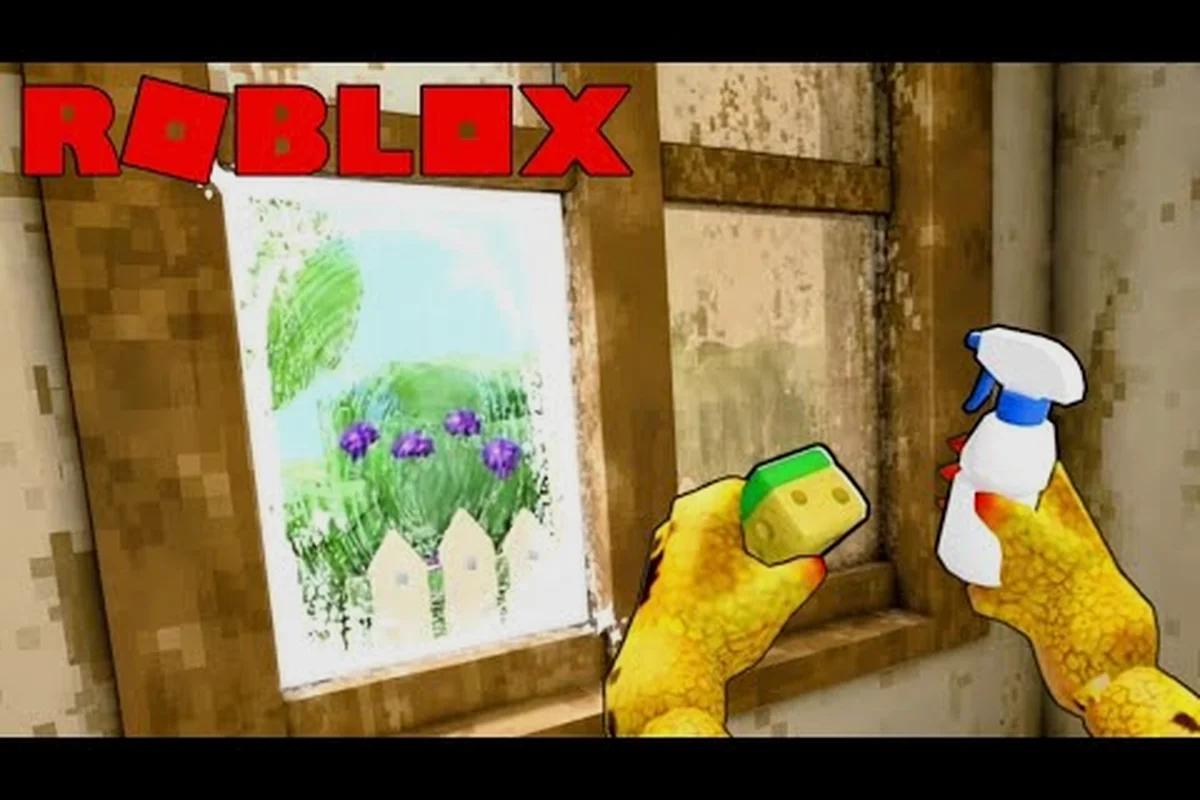
Understanding how the price is calculated in Flip a House changes every selling decision you make. The buyer offer you see on screen is not a random number pulled from thin air, but the result of several layered mechanics that track your cleaning quality, furniture choices, and upgrade investments. Knowing exactly which factors move that final number lets you stop guessing and start farming cash with a repeatable flipping strategy.
What Drives the Final Sale Price
The final sale price in Flip a House emerges from a combination of house quality, furniture coverage, and buyer luck modifiers. When you finish a property and the buyer arrives, the game evaluates the condition of every room, compares it against the property's baseline value, and then applies a multiplier based on your current upgrades and gamepasses. Players who treat the offer screen as a black box tend to accept mediocre deals, while those who understand the underlying math can push the same property to a significantly higher payout.
Community testing across multiple properties suggests that cleaning completeness is the single largest contributor to the final number. A house with every trash pile removed, every stain scrubbed, and every surface vacuumed will consistently outsell a partially cleaned version of the same property, even if the furniture layout is identical. The game appears to track room-by-room completion rather than a simple pass/fail flag, which means skipping a single corner can quietly shave value off the final offer.
The second major factor is furniture placement and coverage. Empty rooms drag the valuation down sharply, while fully furnished spaces push the number upward. The game does not reward clutter, though. Players report that placing furniture in logical groupings, such as a bed near a wall or a table centered in a dining area, produces better results than dumping every item into one corner. The system seems to evaluate whether each room reads as a functional living space rather than simply counting the number of objects present.
| Price Factor | Impact on Offer | How to Maximize It |
|---|---|---|
| Cleaning completeness | High | Clear all trash, scrub all stains, vacuum every surface |
| Furniture coverage | High | Place items in logical room groupings, avoid empty rooms |
| Buyer luck modifier | Medium | Equip 2x buyer luck gamepass or use luck boosts |
| Property baseline value | Fixed | Choose higher-tier houses as you unlock them |
| Upgrade level | Medium | Invest in better vacuums and cleaning tools |
How Buyer Offers Are Generated
When a buyer arrives at your finished property, the game runs through a calculation sequence that determines the offer you see on screen. The process starts with the property baseline value, which is set by the house tier and does not change based on your actions. From there, the game applies a condition multiplier that reflects how thoroughly you cleaned and furnished the space. Finally, a luck roll adds variance to the result, which is why two identical cleanings can produce slightly different offers.
The condition multiplier is where most of your profit potential lives. According to community data, a fully cleaned and furnished house can receive a multiplier that is two to three times higher than a house that was only partially completed. This means the difference between rushing through a property and taking an extra minute to check every room can translate into thousands of extra cash per flip. Experienced players often describe the cleaning phase as the real money-making step, with the buyer offer serving as a report card for how well they executed it.
The luck roll introduces a range of possible outcomes on top of the condition multiplier. Players who equip the 2x buyer luck gamepass report seeing consistently higher offers, though the exact percentage increase varies by property and current upgrade level. The luck system does not guarantee a specific number, but it shifts the probability distribution upward, which means you will see fewer lowball offers and more premium ones over time.
The Role of Upgrades in Pricing
Upgrades do not directly change the sale price, but they change how efficiently you can reach a high condition multiplier. A better vacuum clears dirt faster and covers more area per pass, which means you spend less time per room and can complete more flips in the same session. Similarly, upgraded cleaning tools reduce the number of passes needed to clear a stain, which keeps your momentum high and your per-hour earnings climbing.
The connection between upgrades and pricing is indirect but powerful. When you can clean a house in half the time, you effectively double your cash farming rate even if the per-house offer stays the same. This is why many players prioritize tool upgrades over cosmetic purchases in the early game. The money you spend on a better vacuum comes back quickly through faster flips and more consistent high-quality completions.
| Upgrade Type | Effect on Pricing | Priority for Cash Farming |
|---|---|---|
| Vacuum upgrades | Faster cleaning, more consistent condition multiplier | High |
| Cleaning tool upgrades | Fewer passes per stain, less time per room | High |
| Furniture unlocks | More coverage options, higher potential offers | Medium |
| Buyer luck boosts | Shifts offer distribution upward | Medium |
| Cosmetic-only items | No pricing impact | Low |
When to Sell and When to Hold
Timing your sale in Flip a House is less about waiting for a market shift and more about recognizing when your property has reached its maximum condition multiplier. The game does not simulate a fluctuating housing market, so holding a finished house does not increase its value over time. Once you have completed the cleaning and furnishing, the offer you receive is essentially the best available outcome for that property at your current upgrade level.
This means the optimal selling strategy is to finish the property completely, then sell immediately. There is no benefit to leaving a house half-finished while you work on another project, because the condition multiplier only applies to the current property. Players who try to juggle multiple houses often end up with several partially completed properties that each generate lower offers than a single fully finished one would have produced.
The decision to accept or reject an offer comes down to whether the number matches your expected range. If you know that a specific house tier typically produces offers between $8,000 and $12,000 when fully cleaned, then an offer of $6,500 signals that something was missed. In that case, you can walk back through the property, check for overlooked trash or stains, and trigger a new buyer visit. The game allows you to re-evaluate the property, which means rejecting a low offer is not a dead end.
Should You Accept the First Offer?
The first offer you receive is not necessarily the best offer, but it is often close to the best if you have completed the property thoroughly. The luck roll means there is always a small chance that a second buyer will offer slightly more, but the difference is usually marginal compared to the value of moving on to the next flip. Players who reject every first offer in search of a perfect roll often waste more time than the extra cash is worth.
A practical rule of thumb is to accept the first offer if it falls within your expected range for that property tier. If the number is clearly below the range, reject it and re-check the property for missed cleaning or furnishing tasks. If the number is within the range, take the cash and start the next flip immediately. This approach keeps your per-hour earnings high and avoids the trap of chasing tiny incremental gains.
| Scenario | Recommended Action | Reasoning |
|---|---|---|
| Offer within expected range | Accept immediately | Time saved is worth more than marginal gains |
| Offer below expected range | Reject, re-check property | Likely missed cleaning or furnishing |
| Offer slightly above range | Accept immediately | Lucky roll, do not risk a lower second offer |
| Offer far below range | Reject, full re-clean | Major completion issue needs fixing |
| First flip of a new tier | Accept to learn baseline | Establish expected range for future flips |
Negotiating With Buyers and Maximizing Profit
Flip a House does not include a traditional negotiation minigame, but there are still ways to influence the offer you receive. The closest mechanic to negotiating with buyers is the re-evaluation loop, where you reject an offer, improve the property, and trigger a new buyer visit. Each re-evaluation gives you another chance at a higher luck roll, but it also costs time that could be spent on the next property.
The most effective approach to negotiating with buyers is to front-load your effort into the cleaning phase. A property that is fully cleaned and furnished before the first buyer arrives will almost always produce a strong offer, which eliminates the need for multiple re-evaluations. Players who treat the first buyer visit as a test run and plan to fix issues afterward end up spending more total time per flip than players who simply do the job right the first time.
Cash farming in Flip a House rewards consistency over perfectionism. The players who earn the most are not the ones who squeeze every last dollar out of each property, but the ones who complete a high volume of flips at a consistently high quality level. Each fully cleaned house contributes to your total, and the per-flip variance from the luck roll evens out over time. This is why the money guide for faster earnings emphasizes repeatable routines over one-off optimization tricks.
AFK Money and Passive Income Strategies
The concept of afk money in Flip a House is limited compared to other Roblox simulators, because the core loop requires active cleaning and furnishing. There is no idle timer that generates cash while you are away from the keyboard, and the buyer will not arrive until you signal that the property is ready. However, some players use a semi-afk approach where they complete the cleaning phase, start the buyer visit, and then step away briefly while the offer calculates.
The closest thing to passive income is the upgrade efficiency loop, where better tools reduce the active time required per flip. Once you have invested in high-tier vacuums and cleaning tools, you can complete properties faster and with less attention, which frees up mental bandwidth even if it does not create true afk earnings. Players who want to maximize their per-hour cash should focus on this efficiency loop rather than looking for a true idle mechanic that does not exist in the current build.
| Strategy | Active Time Required | Cash Per Hour Potential |
|---|---|---|
| Full clean and immediate sell | High | Highest |
| Reject and re-evaluate loop | Medium | Medium to high |
| Semi-afk buyer visit | Low | Medium |
| True afk idle | None | Zero (not supported) |
| Upgrade efficiency loop | Medium | High over time |
Building a Repeatable Flipping Strategy
A strong flipping strategy in Flip a House starts with knowing your expected offer range for each property tier. Once you have completed a few flips at a given tier, you will recognize the typical payout window and can quickly identify when something went wrong. This baseline knowledge turns the offer screen from a mystery into a diagnostic tool that tells you whether your cleaning routine is working.
The second pillar is ruthless time management. Every minute you spend re-checking a finished property or waiting for a second buyer is a minute you could spend on the next flip. The most profitable players treat each property as a timed challenge, aiming to reach the maximum condition multiplier in the shortest possible time. This mindset naturally leads to better tool upgrades, because faster tools directly translate into more flips per hour.
The third pillar is strategic upgrade investment. Money spent on better vacuums and cleaning tools compounds quickly, because it reduces the time per flip across every future property. Cosmetic purchases, by contrast, do nothing for your earning rate. Players who want to accelerate their cash farming should prioritize functional upgrades first and treat cosmetics as a reward for hitting earning milestones. The best buyer guide covers how buyer luck modifiers fit into this upgrade priority list.
Tracking Your Per-Flip Performance
Keeping a simple mental log of your per-flip results helps you spot when your strategy is drifting. If your offers start trending below your expected range, it usually means you are rushing the cleaning phase or skipping furniture in certain rooms. If your offers are consistently at the top of the range, you know your routine is solid and you can start experimenting with faster approaches.
The most useful metric to track is cash per minute, not cash per flip. A property that pays $10,000 but takes 15 minutes to complete is worth less than a property that pays $8,000 but takes 8 minutes. By focusing on the rate rather than the raw number, you will naturally gravitate toward the properties and routines that maximize your long-term earnings. This is the same principle that drives the buyer payout analysis for comparing house tiers.
| Metric | Why It Matters | How to Improve It |
|---|---|---|
| Cash per flip | Raw payout per property | Full cleaning and furnishing |
| Cash per minute | True earning rate | Faster tools, efficient routines |
| Offer consistency | Reliability of your strategy | Baseline tracking per tier |
| Re-evaluation rate | Time wasted on low offers | Front-load cleaning effort |
| Upgrade ROI | Long-term earning growth | Prioritize functional upgrades |
Frequently Asked Questions
How is the price calculated in Flip a House?
The price is calculated by taking the property baseline value, applying a condition multiplier based on cleaning completeness and furniture coverage, then adding a luck roll from your buyer luck modifiers. Fully cleaned and furnished houses receive multipliers two to three times higher than partially completed ones.
Should you accept the first offer in Flip a House?
Accept the first offer if it falls within your expected range for that property tier. The luck roll means a second buyer might offer slightly more, but the time cost of re-evaluating usually outweighs the marginal gain. Reject only when the offer is clearly below your baseline.
When is the best time to sell a house?
Sell immediately after completing the cleaning and furnishing. The game does not simulate a fluctuating market, so holding a finished property does not increase its value. The optimal strategy is to reach the maximum condition multiplier, then trigger the buyer visit right away.
Can you negotiate with buyers in Flip a House?
There is no traditional negotiation minigame, but you can reject an offer, improve the property, and trigger a new buyer visit. Each re-evaluation gives another luck roll, though the most efficient approach is to front-load effort into the cleaning phase so the first offer is already strong.
Is there an afk money method in Flip a House?
No true afk money method exists because the core loop requires active cleaning and furnishing. The closest approach is a semi-afk routine where you complete the cleaning, start the buyer visit, and step away briefly. Upgrade efficiency reduces active time but does not create passive income.