
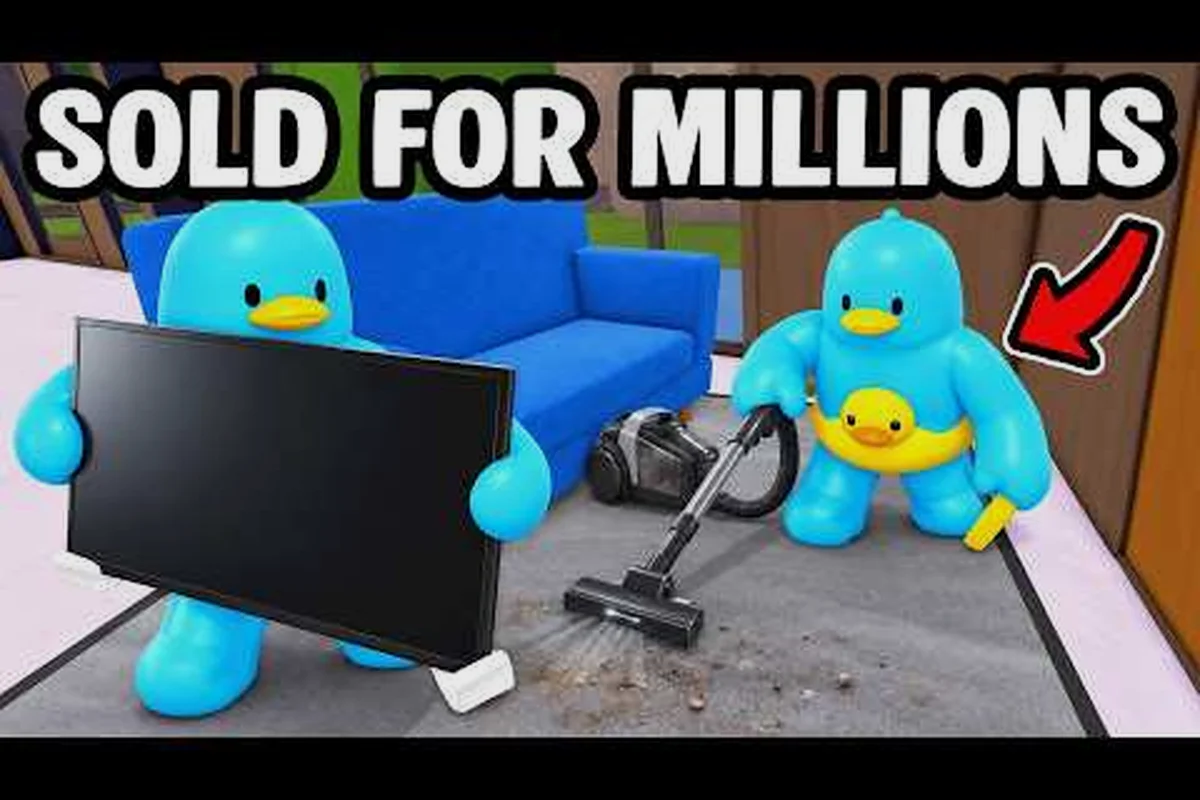
A complete flip a house scrubbing guide matters because most renovation time disappears into surface work that a vacuum cannot handle. Mold, embedded stains, and loose trash each demand a different tool, and using the wrong one wastes both energy and in-game cash. The fastest flippers treat scrubbing as a sequence, not a random cleanup, which is why this guide breaks down the exact order, tool pairings, and trash workflow that keep a run profitable.
Scrubbing Tools and When to Reach for Each One
The core of any flip a house scrubbing guide is knowing which tool actually removes a given mess. Vacuum tiers handle loose dirt and dust, but mold and stains require a scrubber, a sponge, or a brush. Players who try to vacuum a stain will watch the dirt bar barely move, because the game separates surface grime from embedded filth. Understanding that split is what separates a slow flip from a fast one.
Tool Progression and Coverage
The scrubber line runs parallel to the vacuum line, and each tier unlocks at a specific cleaner level. Early runs start with the Smile Scrubber, which is slow but functional. As you level, you gain access to the Scrub Sponge, then the Electric Scrubber, the Crystall Scrubber, and eventually the Industrial Scrubber. Each upgrade increases both cleaning speed and the area you can cover per swipe.
| Scrubber Tier | Unlock Level | Best Use Case | Speed Feel |
|---|---|---|---|
| Smile Scrubber | Starter | Small stains, early flips | Slow |
| Scrub Sponge | Mid-level | Mold patches, medium rooms | Moderate |
| Electric Scrubber | Higher level | Large stain clusters | Fast |
| Crystall Scrubber | Late game | Full-room scrubbing | Very fast |
| Industrial Scrubber | Endgame | Speedrun cleanup | Fastest |
The flip a house handheld scrubber is the workhorse for most of the mid-game, because it balances speed with control. You can angle it into corners and around furniture legs without overshooting the stain. Community testing suggests that upgrading to the Electric Scrubber as soon as it unlocks is the single best cleaning investment, since it cuts stain time by roughly half on most surfaces.
Matching Soap and Sponges to the Mess
Soap and sponges are not interchangeable. The game tracks cleaning solution as a consumable, and running out mid-scrub forces a store trip that kills momentum. Stock up before entering a heavily stained house, because the store is not accessible from inside the property. A good rule of thumb is to carry at least three soap refills for a medium-sized flip, and five for a large or heavily molded one.
The Scrub Sponge pairs best with soap on flat surfaces like kitchen counters and bathroom tile, while the brush attachment handles textured walls and grout lines. Players who swap tools constantly lose more time than they save, so commit to one tool per room unless the stain type changes. The full tool comparison is covered in the flip a house scrubber guide, which breaks down every tier against specific mess types.
Removing Stains Without Burning Your Budget
Stains are the most common reason a flip stalls, because they hide in corners and behind furniture. A proper flip a house scrubbing guide teaches you to scan each room before cleaning, so you can group stains by type and clear them in one pass. Random scrubbing leaves half-finished patches that you have to revisit, which doubles your time on a single room.
Stain Types and the Fastest Removal Order
Not all stains respond to the same pressure. Light water stains clear with a quick sponge pass, while grease stains and mold stains need a scrubber with soap applied. The order matters because soap has a limited duration, so you want to hit the toughest stains while the solution is fresh.
| Stain Type | Tool Needed | Soap Required | Removal Speed |
|---|---|---|---|
| Water stain | Sponge | No | Fast |
| Dirt smudge | Scrubber | No | Moderate |
| Grease stain | Scrubber | Yes | Slow |
| Mold stain | Scrubber + soap | Yes | Slowest |
The fastest sequence is to apply soap to the entire stain cluster, then scrub from the outside edge inward. This prevents you from spreading the stain while it is still wet. Players who scrub from the center outward often push grime into clean areas, which creates new stains that were not there before. The cleaning guide covers the broader room-by-room order, including when to vacuum versus scrub.
Why the Handheld Scrubber Wins for Corners
Corners and edges are where stains survive the longest, because the default scrubber angle misses them. The flip a house handheld scrubber solves this by letting you rotate the tool into tight angles, which the larger scrubbers cannot do. Community reports consistently rank the handheld scrubber as the best tool for baseboards, window frames, and the gap behind the toilet.
One overlooked trick is to scrub corners before you vacuum the floor. Loose dirt from the corner falls onto the floor, and if you vacuum first, you will have to vacuum again. Scrubbing top-down and corner-first keeps the floor clean until the final pass, which saves a full vacuum cycle on every room.
Getting Rid of Trash the Efficient Way
Trash is the least glamorous part of flipping, but it is also the easiest to optimize. A flip a house scrubbing guide that ignores trash workflow leaves money on the table, because every trip to the curb costs time. The key is to batch trash by room and carry it out in one loop, rather than running back and forth for single items.
Garbage Bags and Carry Limits
The game limits how much trash you can carry at once, which is why flip a house garbage bags are not just a cosmetic item. Each bag holds a set number of trash pieces, and once it is full, you have to haul it outside. Players who ignore the bag limit end up making twice as many trips, because they grab trash without tracking how much they are holding.
| Trash Item | Bag Space | Best Disposal Timing |
|---|---|---|
| Small wrapper | 1 slot | Batch with room sweep |
| Bottle or can | 1 slot | Batch with room sweep |
| Broken furniture | 3 slots | Haul immediately |
| Large debris pile | 5 slots | Haul immediately |
The most efficient method is to fill a bag completely before heading outside, because the walk to the curb is the same whether the bag is half full or completely full. Broken furniture and large debris are the exception, since they eat so much bag space that carrying anything else becomes impossible. Haul those the moment you find them, then return with an empty bag for the small stuff.
One-Loop Trash Routes
Instead of cleaning room by room, try a two-pass system. First, walk the entire house and collect all small trash into bags, leaving the bags by the front door. Second, haul all the bags outside in one trip. This cuts the number of curb runs from six or seven down to two, which saves several minutes on a large property.
The beginner guide covers the basic loop structure, but the trash-specific version is worth internalizing early. Once you know how to get rid of trash in a single loop, the rest of the cleaning process feels much faster, because you are not constantly interrupting scrubbing to run outside.
Mold Removal and the Soap Economy
Mold is the most expensive mess in the game, because it consumes soap faster than any other stain type. A flip a house scrubbing guide that does not address mold will leave you broke on soap halfway through a heavily molded house. The trick is to understand exactly how much soap each mold patch needs, so you never over-apply or run dry.
How to Clean Mold Without Wasting Soap
The biggest mistake new flippers make is holding the scrub button down on a mold patch until it disappears. Mold clears in stages, and each stage consumes a fixed amount of soap. Once a stage is cleared, the patch visually shrinks, and you can release the button to stop spending soap. Holding the button down between stages burns soap on already-clean surface.
| Mold Stage | Visual Cue | Soap Cost | Action |
|---|---|---|---|
| Stage 1 | Large dark patch | 1 unit | Scrub until shrink |
| Stage 2 | Medium patch | 1 unit | Scrub until shrink |
| Stage 3 | Small residue | 1 unit | Final scrub |
This staged approach cuts soap use by roughly a third on heavily molded houses, based on community testing. It also prevents the frustrating moment where you run out of soap with one tiny mold spot left, because you know exactly how much each stage costs before you start. Stocking three soap refills per mold-heavy room is a safe baseline, with a fourth as backup for large properties.
Mold Priority and Buyer Impact
Mold affects the final buyer offer more than most players realize. A house with even one visible mold patch sells for noticeably less, because the game treats mold as a major quality penalty. Clearing mold before anything else locks in a higher baseline offer, which then gets boosted by furniture and upgrades. The how to get better guide explains the full offer calculation, but the short version is that mold is never worth skipping.
Frequently Asked Questions
What is the fastest way to remove stains in Flip a House?
Apply soap to the entire stain cluster first, then scrub from the outside edge inward. This prevents spreading wet grime into clean areas. Use the handheld scrubber for corners and edges, and upgrade to the Electric Scrubber as soon as it unlocks to cut stain time roughly in half.
Do garbage bags matter in Flip a House?
Yes, because each bag holds a limited number of trash slots. Filling a bag completely before hauling it outside saves trips, since the walk to the curb is the same whether the bag is half full or full. Haul broken furniture and large debris immediately, because they consume too much bag space.
How do I clean mold without running out of soap?
Release the scrub button between mold stages instead of holding it down. Mold clears in three visual stages, and each stage costs one soap unit. Holding the button between stages burns soap on already-clean surface, so watch for the patch to shrink before continuing.
Should I scrub corners before or after vacuuming?
Scrub corners before vacuuming, because loose dirt from the corner falls onto the floor. If you vacuum first, you will have to vacuum again after scrubbing. Working top-down and corner-first keeps the floor clean until the final pass, which saves a full vacuum cycle per room.
What is the best scrubber for a new player?
The starter Smile Scrubber works fine for early flips, but the handheld scrubber is the best mid-game investment because it reaches corners and edges that larger tools miss. Upgrade to the Electric Scrubber as soon as it unlocks, since community testing shows it cuts stain time significantly on most surfaces.