
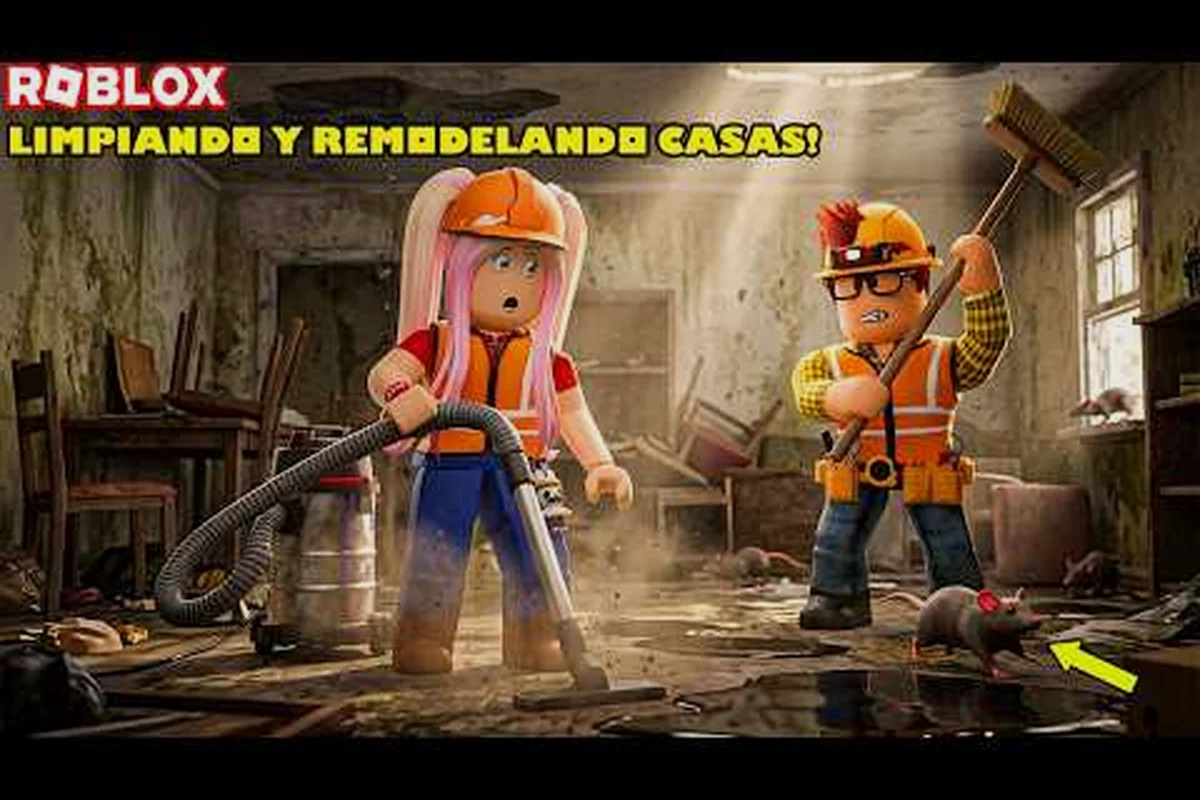
Figuring out flip a house what to clean first changes how fast you turn a grimy property into a sold listing. New players often burn time scrubbing low-impact surfaces while the real value sits under piles of trash and floor stains. This guide breaks down the optimal starting order, the tools that matter, and the cleaning mistakes that quietly eat your profit margin.
The Default Priority Order for a New Property
When you walk into a fresh property, the instinct is to grab the nearest tool and start scrubbing whatever looks dirtiest. That instinct is usually wrong. The game's cleaning loop rewards a specific sequence because certain actions unlock visibility, improve buyer offers, and prevent wasted passes over the same surface. Community testing consistently shows that players who follow a fixed priority order finish properties 20–30% faster than those who clean randomly.
The core principle is simple: remove obstructions before treating surfaces. Trash bags, loose debris, and large furniture block access to the stains and dirt underneath. If you scrub a floor before clearing the trash, you will return to that same floor after the trash is gone. That double work is the most common flip a house cleaning mistake among beginners.
A practical starting order looks like this:
| Step | Action | Why It Comes First |
|---|---|---|
| 1 | Collect all Trash and bag it | Unblocks floors and walls for later passes |
| 2 | Remove loose Dirt with the vacuum | Fast, low-effort surface prep |
| 3 | Treat visible Stains with the scrubber | Stains require focused tool time |
| 4 | Polish Furniture and fixtures | Final pass raises House Quality |
| 5 | Re-check corners and edges | Catches missed spots before listing |
This order matters because House Quality is the stat that drives Buyer Offer amounts. A property with clean floors but dusty furniture sells for less than one where every surface received at least one pass. The sequence above ensures no surface gets skipped while minimizing repeat work.
Why Trash Always Comes Before Scrubbing
Trash is the only cleaning category that physically blocks other actions. A full trash bag sitting on a stained floor means the stain underneath is invisible to your scrubber until the bag is removed. Players who start with the scrubber often report finishing a room, only to discover new dirt revealed after trash collection. That is not a bug; it is the game's layering system working as intended.
The Trash category also includes items that look like furniture but are actually debris. Broken chairs, scattered papers, and overturned bins all count as trash in the cleaning loop. Clearing them first gives you a clean visual read of what actually needs scrubbing versus what just needed bagging.
Vacuuming vs Scrubbing: Which Tool Actually Counts
A frequent question from new players is whether vacuuming counts as cleaning in the same way scrubbing does. The short answer is yes, but they serve different functions. The Vacuum handles loose Dirt particles across wide areas quickly. The Scrubber targets Stains that the vacuum cannot remove. Both contribute to House Quality, but they are not interchangeable.
Understanding the difference prevents the second most common flip a house cleaning mistake: using the scrubber on everything. Scrubbing a floor that only has loose dirt wastes time because the vacuum would clear it in a fraction of the passes. Conversely, vacuuming a stained floor does nothing to the stain itself. You need the right tool for the right layer.
| Tool | Best Target | Speed | Stain Removal | Notes |
|---|---|---|---|---|
| Vacuum | Loose Dirt | Fast | No | Wide area coverage, low effort |
| Scrubber | Stains | Slow | Yes | Focused, high-effort passes |
| Scrub Sponge | Small spots | Medium | Partial | Good for edges and corners |
| Brush | Detail work | Slow | Partial | Reaches tight spaces |
The scrubbing vs vacuuming decision comes down to what you are looking at. If the surface is uniformly dusty, vacuum first. If there are visible discolored patches, switch to the scrubber. Players who master this tool-switching rhythm clear rooms significantly faster than those who commit to one tool for the entire property.
Does Vacuuming Count as Cleaning for House Quality?
Yes, vacuuming counts as cleaning and directly raises House Quality. The game tracks cleanliness as a composite of dirt removal, stain treatment, and trash collection. Each action contributes points, but stains are weighted more heavily because they are harder to remove. A property that is vacuumed but not scrubbed will still show visible stains, which lowers the final Buyer Offer.
The practical takeaway is that vacuuming is not a substitute for scrubbing. It is a preparation step. You vacuum to clear the loose layer, then scrub to handle what remains. Skipping the vacuum and going straight to the scrubber means the scrubber spends time on dirt that the vacuum would have cleared instantly.
Floor Stains: The Hidden Profit Killer
Floor stains are the single biggest factor separating a mediocre flip from a profitable one. A property with visible stains on the floor will consistently receive lower Buyer Offers, even if every other surface is spotless. The reason is simple: stains are the most visible sign of neglect, and the game's buyer logic weights them accordingly.
New players often underestimate how many passes a stain requires. A light stain might clear in two or three scrubber passes. A dark, set-in stain can take five or more. The key is to identify stains early and budget tool time for them specifically. Wandering around vacuuming while a dark stain sits untreated is a classic flip a house floor stains mistake.
| Stain Type | Approx. Scrubber Passes | Visual Cue | Priority |
|---|---|---|---|
| Light stain | 2–3 | Faint discoloration | Low |
| Medium stain | 3–5 | Clearly visible patch | Medium |
| Dark stain | 5+ | Deep, set-in mark | High |
| Mold patch | Varies | Green or black cluster | High |
Treating dark stains early gives you a realistic sense of how long the property will take. If you leave them for last, you risk running out of time or energy on a property that still looks dirty. The best approach is to do a quick walkthrough after trash collection, mark every stain mentally, and tackle the darkest ones first.
The Mold Exception
Mold is technically a stain, but it behaves differently enough to warrant its own mention. Mold patches spread if left untreated, and they often hide under furniture or in corners where the vacuum cannot reach. Players who ignore mold until the final pass frequently report that it has expanded to adjacent tiles, forcing additional scrubbing. The scrubbing guide covers mold removal in detail, but the short version is: treat mold the moment you see it.
Auto Clean: When to Use It and When to Skip It
Auto Clean is a quality-of-life feature that automates the cleaning loop for a property. It is tempting to use it on every house, especially once you have unlocked it, but that is not always the optimal choice. Auto Clean clears dirt, stains, and trash automatically, but it does so at a fixed efficiency that may be lower than manual cleaning for high-value properties.
The main advantage of flip a house auto clean is time savings. For low-tier properties where the profit margin is thin, auto clean lets you move through listings quickly without investing manual effort. The main disadvantage is that auto clean does not prioritize the way a skilled player does. It may spend time on low-impact surfaces while leaving a dark stain partially treated.
| Scenario | Auto Clean Recommended? | Reason |
|---|---|---|
| Low-tier property | Yes | Fast turnover, thin margins |
| Mid-tier property | Sometimes | Depends on stain density |
| High-tier property | No | Manual cleaning yields higher House Quality |
| Time-limited session | Yes | Clears backlog quickly |
The best use case for auto clean is when you have multiple properties queued and need to clear them before a session ends. The worst use case is a high-value property where every point of House Quality translates into a meaningfully higher Buyer Offer. On those properties, manual cleaning with the priority order above will outperform auto clean every time.
Auto Clean and Tool Upgrades
Auto Clean's efficiency scales with your tool upgrades. A player with a maxed vacuum and maxed scrubber will see better auto clean results than a player with starter tools. This means auto clean becomes more viable in the late game, when the gap between manual and automated cleaning narrows. Early on, the gap is wide enough that manual cleaning is almost always better for profit-focused players.
Common Cleaning Mistakes That Cost You Money
Most flip a house cleaning mistakes fall into a few predictable patterns. Recognizing them early saves you from repeating the same errors across multiple properties. The mistakes below are compiled from community reports and gameplay observation, and they consistently appear in discussions of why a flip underperformed.
The first mistake is cleaning randomly. Without a priority order, you will revisit surfaces multiple times. The second is using the wrong tool. Scrubbing loose dirt or vacuuming stains wastes time. The third is ignoring stains until the end. Dark stains require the most passes, so they should be started early, not left as an afterthought.
| Mistake | Symptom | Fix |
|---|---|---|
| Random cleaning | Revisiting same surfaces | Follow the 5-step priority order |
| Wrong tool usage | Slow progress on easy dirt | Vacuum dirt, scrub stains |
| Late stain treatment | Running out of time | Treat dark stains early |
| Skipping trash first | Hidden dirt revealed later | Bag all trash before scrubbing |
| Overusing auto clean | Lower House Quality | Manual clean high-tier properties |
A subtler mistake is not checking corners and edges. The vacuum and scrubber both have reach limitations, and corners often retain dirt that the main pass misses. A final walkthrough with the Brush or Scrub Sponge catches these spots and adds a few points of House Quality that can tip a Buyer Offer upward.
The Time Trap
Time is a resource in Flip a House, and inefficient cleaning burns it. Players who spend ten minutes scrubbing a light stain that the vacuum would have cleared in thirty seconds are not just wasting time; they are reducing the number of properties they can flip in a session. The cleaning guide breaks down tool efficiency in more detail, but the core lesson is that speed comes from matching the tool to the task.
Sequencing Trash, Floors, and Walls
Once you understand the priority order and tool matching, the next step is turning that knowledge into a repeatable routine. A routine removes decision fatigue and lets you clean on autopilot, which is especially valuable when you are flipping multiple properties in a single session. The routine below is a starting point that you can adjust based on your tool upgrades and the property tier.
The routine works because it front-loads the actions that unblock other actions. Trash collection comes first because it reveals the true scope of the cleaning job. Vacuuming comes second because it clears the loose layer quickly. Scrubbing comes third because it handles what remains. This sequence minimizes repeat passes and keeps your tool time focused.
| Phase | Action | Duration Estimate |
|---|---|---|
| 1 | Walkthrough and trash bagging | 2–3 minutes |
| 2 | Full vacuum pass | 3–5 minutes |
| 3 | Targeted stain scrubbing | 5–10 minutes |
| 4 | Furniture and fixture polish | 2–4 minutes |
| 5 | Corner check and final pass | 1–2 minutes |
The duration estimates assume mid-tier tools and a standard-sized property. Early-game properties with starter tools will take longer, while late-game properties with upgraded tools will go faster. The important thing is the order, not the exact timing. If you follow the sequence consistently, your per-property time will drop as your tools improve.
Adapting the Routine to Property Tier
Low-tier properties have fewer stains and less furniture, so the routine compresses naturally. You might skip the furniture polish entirely and spend most of your time on trash and vacuuming. High-tier properties have more stains, more furniture, and higher House Quality expectations, so the scrubbing phase expands. The progression guide explains how tool upgrades shift these time investments, but the routine itself remains stable across tiers.
Frequently Asked Questions
What should I clean first in Flip a House?
Start with Trash collection because it unblocks floors and walls for every other cleaning action. Bagging trash first reveals hidden dirt and stains underneath, which prevents you from scrubbing a surface twice. After trash, vacuum loose Dirt, then treat Stains with the scrubber.
Does vacuuming count as cleaning in Flip a House?
Yes, vacuuming counts as cleaning and raises House Quality. However, it only removes loose Dirt, not Stains. A property that is vacuumed but not scrubbed will still show visible stains, which lowers the final Buyer Offer. Use the vacuum for wide-area dirt and the scrubber for targeted stain removal.
What is the biggest cleaning mistake beginners make?
The biggest mistake is cleaning randomly without a priority order. Random cleaning causes players to revisit the same surfaces multiple times, which wastes time and reduces the number of properties flipped per session. Following a fixed sequence of trash, vacuum, scrub, and polish eliminates most of this wasted effort.
When should I use auto clean?
Use Auto Clean for low-tier properties where fast turnover matters more than maximizing House Quality. For high-tier properties, manual cleaning with the priority order above produces better results because auto clean does not prioritize dark stains the way a skilled player would.
How many passes does a dark floor stain need?
A dark, set-in floor stain typically requires five or more scrubber passes, based on community testing. Light stains clear in two to three passes. Start dark stains early in your cleaning routine because they consume the most tool time and have the biggest impact on the final Buyer Offer.
Cleaning order is not just a convenience; it is the difference between a fast, profitable flip and a slow, mediocre one. Trash first, vacuum second, scrub third, and polish last. Match the tool to the surface, treat dark stains early, and save auto clean for properties where speed beats quality. Once that routine becomes automatic, you will clear more properties per session and see consistently higher offers on every listing.